
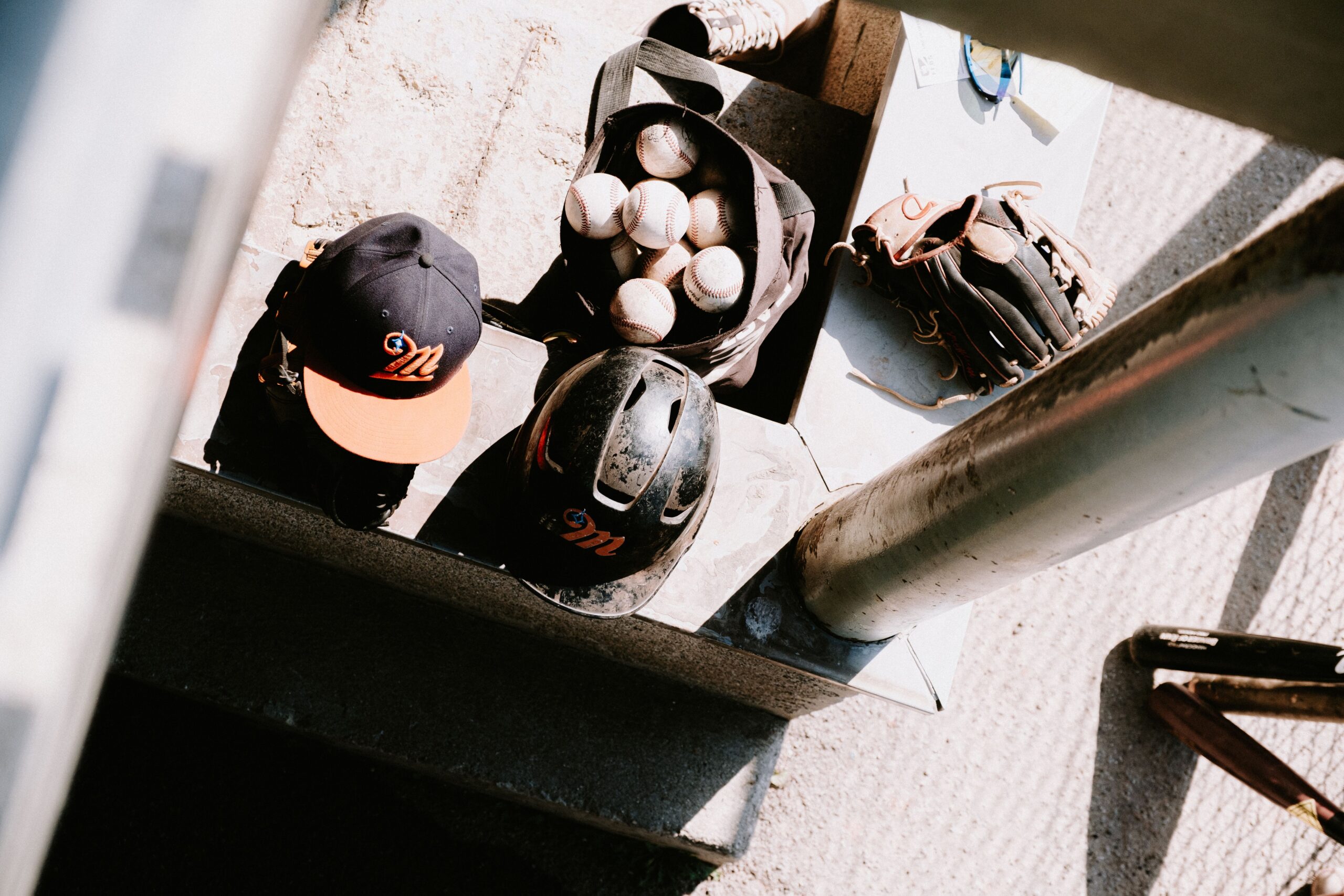
A new baseball glove often feels stiff and difficult to close. A gradual break-in period softens the leather and forms a pocket around the player’s hand. Regular cleaning and proper storage can then help the glove keep its shape through many practices and games.
Preparing a New Baseball Glove
Start by placing your hand inside the glove and checking where it naturally bends. Open and close it several times while wearing it. This begins loosening the leather around the palm, fingers and hinge points.
Use your throwing hand to press the pocket and flex the heel. Apply steady pressure without twisting the glove. The glove should begin forming around your hand and preferred closing motion.
Some players close the thumb toward the index finger to create a shallow pocket. Others close the thumb toward the ring finger or pinky to form a deeper pocket. Position and personal preference should guide the closing pattern.
Breaking In a Glove by Playing Catch
Playing catch is one of the safest and most useful break-in methods. Each catch applies pressure to the pocket in the same place where the ball will land during a game.
Begin with light throws from a short distance. Focus on catching the ball in the pocket instead of the palm. Increase the distance and throwing speed as the glove becomes easier to control.
Several short catch sessions usually work better than one long session. The leather gradually loosens while the pocket takes shape. Players can also use a ball mallet to create similar pressure when a throwing partner is unavailable.
Strike the pocket with the mallet several times, then work around the heel and hinge areas. Keep the strikes controlled to protect the leather and padding.
Forming the Pocket
Place a baseball in the area where you want the pocket to form. Close the glove around the ball and secure it with a glove wrap or wide band. Leave it wrapped for several hours or overnight.
The wrap should hold the glove closed without crushing it. Excessive pressure can flatten the padding or create an awkward shape.
Infielders often form a shallower pocket that supports fast transfers. Outfielders and first basemen generally prefer a deeper pocket that holds the ball securely. Catchers should focus on forming a centered pocket that receives pitches cleanly.
Repeat the wrapping process as needed during the first few weeks of use.
Using Glove Conditioner
A small amount of baseball glove conditioner can soften dry leather and reduce surface cracking. Choose a product made specifically for baseball gloves and follow the manufacturer’s directions.
Apply a thin layer with a clean cloth. Focus on the palm, pocket and areas that bend frequently. Allow the conditioner to absorb before wiping away any excess.
Too much conditioner can make the glove heavy and overly soft. Oils may also darken the leather. Test a small hidden area first if preserving the original color is important.
Conditioning should remain occasional. Regular use and proper storage will do most of the work.
Break-In Methods That Can Damage a Glove
Strong heat can dry the leather and weaken the laces. Keep baseball gloves away from ovens, microwaves, clothes dryers and other heated appliances.
Soaking a glove can damage its leather, padding and internal materials. Large amounts of oil can also make the glove heavy and shorten its useful life.
Driving over a glove may crush the padding and create uneven folds. Aggressive twisting can cause similar problems. Controlled pressure and repeated use provide a safer break-in process.
Cleaning a Baseball Glove
Remove loose dirt after practices and games with a soft brush or dry cloth. For surface marks, use a slightly damp cloth and a small amount of glove-safe leather cleaner.
Avoid saturating the leather. Wipe away cleaner residue and leave the glove open to dry at room temperature. Keep it away from radiators, hair dryers and direct heat.
Clean the glove before storing it for an extended period. Dirt and moisture left on the leather can lead to stains, odors and damaged material.
Storing the Glove Properly
Place a baseball in the pocket before putting the glove away. This helps the pocket retain its shape. Store the glove in a dry area with normal airflow.
Avoid leaving it in a hot vehicle or damp equipment bag. Heat can dry the leather while trapped moisture can affect the lining and laces.
Keep heavy equipment away from the glove during storage. Bats, helmets and bags can flatten the pocket if they rest on it for long periods.
Checking Laces and Leather
Inspect the laces several times during the season. Loose or broken laces can change the glove’s shape and allow a caught ball to escape. Replace damaged laces before the glove is used in another game.
Check the palm, finger stalls and web for cracking or separation. Minor lace repairs can extend the glove’s life. Deep leather cracks, damaged padding or a badly weakened pocket may indicate that replacement is needed.
Conclusion
After each game, remove dirt and let the glove dry naturally. Place a ball in the pocket during storage. Inspect the laces regularly and apply a small amount of conditioner when the leather begins to feel dry.
Consistent care helps the glove retain its shape, stay comfortable and perform reliably throughout the season.
