
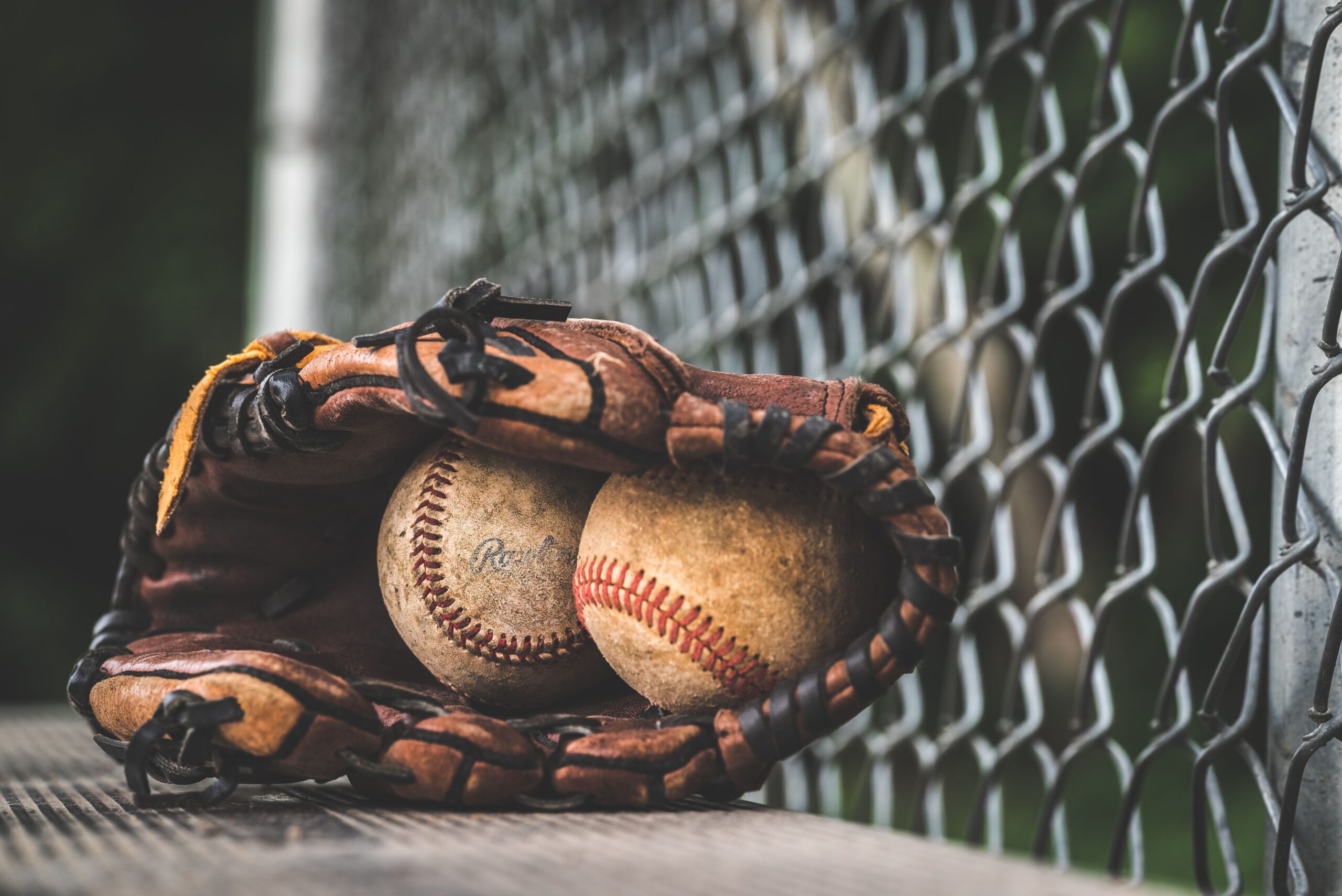
The right baseball glove should feel secure, support your position and make catching the ball easier. Glove size, pocket depth, web style and leather type all affect how the glove performs. A player who understands these basic features can choose a glove that feels comfortable and suits the way they play.
Baseball Glove Sizes Explained
Manufacturers measure a baseball glove from the top of the index finger down to the heel of the glove. Most gloves have their size printed or stamped near the thumb or pinky area.
Glove sizes usually range from 9 inches for young players to 13 inches for adult outfielders and first basemen. Catcher’s mitts use circumference measurements, so their listed sizes are usually above 30 inches.
A smaller glove gives an infielder more control during quick catches and transfers. A larger glove gives an outfielder more reach and a deeper pocket for fly balls. Each position has its own common size range.
Glove Size by Player Age
Age can provide a useful starting point when choosing a glove. Hand size, position and playing level should also guide the final choice.
Common youth glove ranges include the following.
- Ages 4 to 6 often use gloves between 9 and 10.5 inches
- Ages 7 to 9 often use gloves between 10 and 11.5 inches
- Ages 10 to 12 often use gloves between 10.5 and 12 inches
- Players aged 13 and older usually choose adult sizes based on position
Young players should be able to open and close the glove without excessive effort. A glove that feels too heavy or stiff can make basic catching drills harder. Adjustable wrist closures can help growing players get a more secure fit.
Gloves for Different Positions
Each defensive position places different demands on a glove. Selecting a position-specific model can make fielding and ball control more comfortable.
Pitcher Gloves
Pitcher gloves are commonly between 11.5 and 12 inches. Many have a closed web that hides the pitcher’s grip from the batter and opposing team. Pitchers also benefit from a balanced glove that feels comfortable during their throwing motion.
Catcher’s Mitts
Catcher’s mitts have heavy padding and a rounded shape designed for repeated pitches. Adult sizes commonly range from 32.5 to 34.5 inches in circumference. Youth models are smaller and easier for younger players to control.
The mitt should provide enough padding without limiting hand movement. Catchers should also check the wrist fit and finger stalls carefully.
First Baseman’s Mitts
First baseman’s mitts usually measure between 12 and 13 inches. Their long shape and deep pocket help players receive throws and scoop low balls near the base. The curved edge also gives fielders a larger area for securing difficult throws.
Infield Gloves
Infield gloves usually range from 11 to 11.75 inches. Their smaller size supports quick transfers from the glove to the throwing hand. Second basemen and shortstops often prefer shallow pockets, while third basemen may choose a slightly larger glove with more protection.
Outfield Gloves
Outfield gloves commonly range from 12 to 12.75 inches. The extra length helps players reach fly balls and line drives. A deeper pocket also helps keep the ball secure during running catches.
Utility Gloves
Players who cover several positions may prefer a utility glove between 11.5 and 12 inches. This size can work for parts of the infield and outfield. It is a practical choice for recreational players or developing players who change positions regularly.
Web Styles and Pocket Depth
The web connects the thumb and fingers of the glove. Its design affects visibility, flexibility and pocket depth.
I-web gloves are common among middle infielders because they provide an open view through the glove. H-web gloves are popular with third basemen and outfielders. Trapeze webs create a deep pocket that works well for fly balls. Closed basket and two-piece webs are common choices for pitchers.
Pocket depth also matters. A shallow pocket supports fast transfers. A deep pocket provides more security for fly balls, hard throws and first-base catches.
Baseball Glove Materials
Synthetic gloves are lightweight and require little break-in time. They are often suitable for young beginners and casual players.
Cowhide offers a useful balance of comfort, durability and price. Steerhide is thicker and may require a longer break-in period. Kip leather is lighter and often found in higher-priced gloves made for experienced players.
Players should consider how often they play and how much break-in time they can give the glove. Frequent players may benefit from durable leather that can handle regular practices and games.
Finding the Right Fit
A glove should sit firmly on the hand without causing discomfort. The fingers should reach comfortably into the stalls and the wrist closure should keep the glove from shifting.
Glove orientation can confuse first-time buyers. A right-hand throw glove is worn on the left hand. A left-hand throw glove is worn on the right hand.
Try closing the glove several times before buying it. Check its weight, finger placement and wrist support. The best choice will feel controlled and comfortable during normal fielding movements.
Conclusion
Before choosing a glove, confirm the player’s throwing hand, position and preferred size. Check the web style, pocket depth and material. The player should also test the glove’s weight and closure.
A properly selected glove supports better fielding habits and gives the player confidence during practices and games.
